What is Rome?
What does the city of Rome mean to me?

The following is a written version of a speech I gave at a conference organized by Counter-Currents in Rome, Italy on April 11th, 2026.
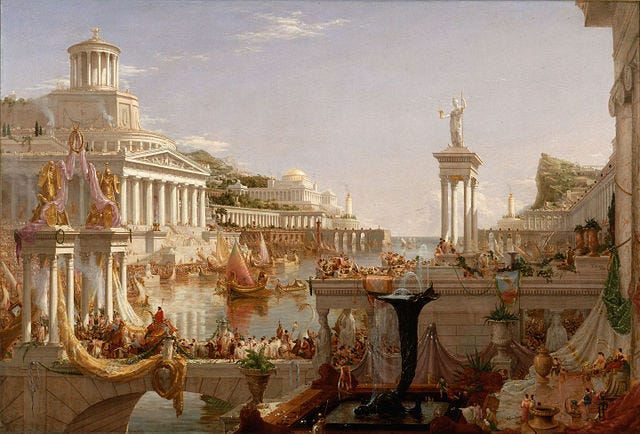
Founded in antiquity, the city of Rome went on to spawn the greatest Empire of the ancient world, stretching from one end of the Mediterranean to the other. In the ancient world, the name of Rome was synonymous with civilizational greatness, the influences of which are still felt in the modern world over a thousand years later. Rome’s greatness did not end with the sack of Rome in the 5th century AD. For the next 1000 years, the Roman Empire lived on in the East and the city of Rome became the seat of religious faith in the West. Rome was one of the major centers of the European Renaissance and went on to become the capital city of the Italian nation in the 19th century, which it remains today.
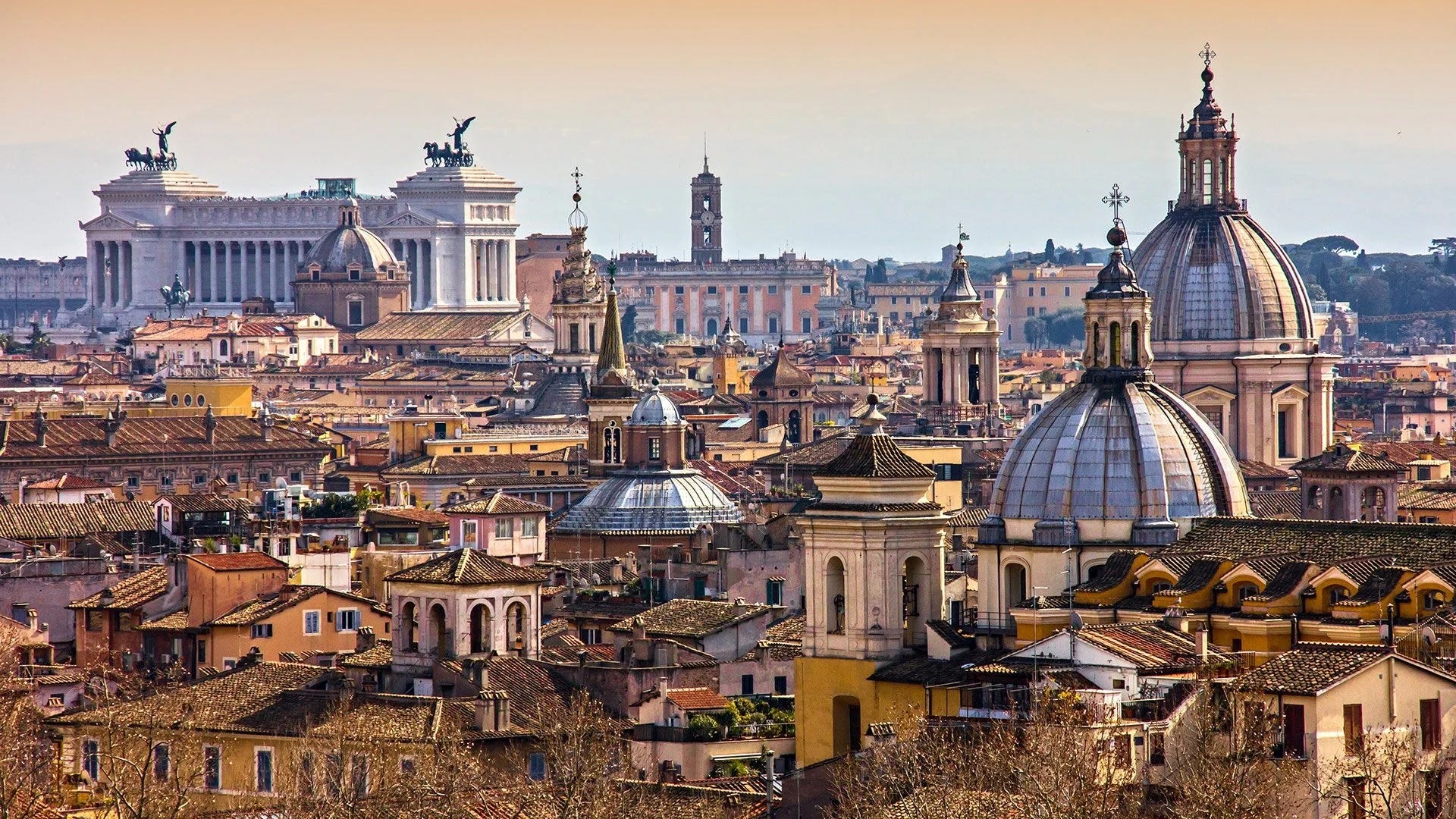
Throughout it’s more than two and a half millennium history, Rome has been ground zero for an innumerable amount of the West’s greatest achievements in military, political, artistic, and scientific pursuits. We can see the fruits of such as we walk the streets of this great city today, the Colosseum, the Pantheon, the Roman Forum, the Sistine Chaple, the Vatican and more. What was behind such civilizational accomplishments? And why don’t we build Colosseums or Sistine Chaples today?
The British philosopher GK Chesterton once said “Men did not love Rome because she was great. She was great because they had loved her.” Underlying all the extraordinary accomplishments of Rome was an immense love of that which was one’s own. The Roman drive for greatness in all fields of human pursuit was motivated by a desire to see that which they had been endowed with by their ancestors and would leave to their descendants reach new heights of civilizational achievement. Unfortunately, this spirit is antithetical to the universalists egalitarian mantra which rules the Western world today. Rome is not only a reminder of what the West has achieved, but also what the West can achieve if this disease of the mind is cast off.
Last year, I saw an image of a crane lifting a bronze statue on my social media timeline. My immediate thought was “Oh, no. Which great man from European history has been cancelled now?” But to my surprise, I then read that the statue wasn’t being taken down. It was a statue of Paul Kruger, a 19th century leader of the South African Transvaal Republic and it was being put up in the Afrikaner town Orania. In 1991, a group of Afrikaners who rejected the new universalist egalitarian creed of the “Rainbow Nation” established Orania in the Northern Cape as a sanctuary where their heritage was not derided but celebrated. As South Africa has become a violent and dysfunctional hellhole over the past 35 years, Orania, with a homogenous population of 3000 Afrikaners and growing, stands an enclave of safety, prosperity, and hope for the future.
On a small scale, Orania is what we can achieve when motivated, not by debilitating egalitarian delusions, but a love of our own. On a civilizational scale, what we can achieve is Rome.